


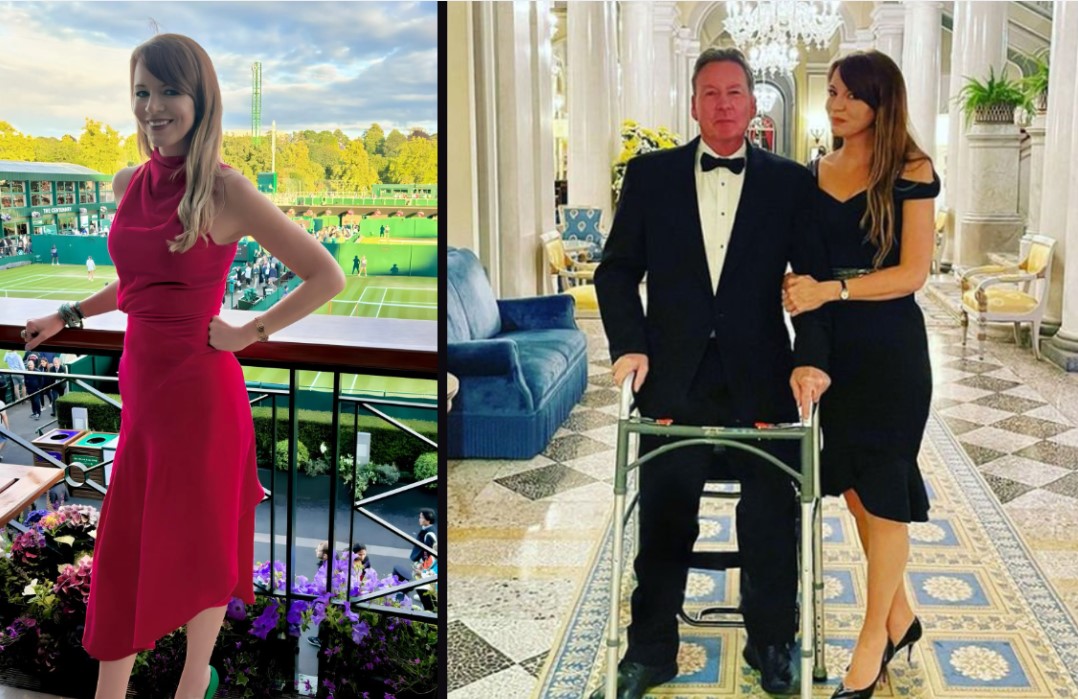
If you’ve typed “Elizabeth Rizzini disability” into a search engine recently, you’re far from alone. The phrase has become one of the most searched terms associated with the well-known BBC weather presenter. Yet for all the clicks it generates, very little of what circulates online is accurate. This article sets the record straight — clearly, factually, and respectfully — while also exploring who Elizabeth Rizzini really is, why the confusion exists, and what her story tells us about media literacy in the digital age.
Who Is Elizabeth Rizzini?
Elizabeth Rizzini is one of Britain’s most trusted and recognisable weather presenters. Born on 19 November 1975, she has built a distinguished career in broadcast meteorology over several decades, becoming a familiar face on BBC London, BBC Breakfast, and the BBC News Channel.
Unlike many television presenters who arrive on screen through journalism or entertainment, Rizzini took a more rigorous scientific route. She completed formal meteorological training with the UK Met Office — one of the world’s most respected climate and weather institutions — gaining deep grounding in atmospheric physics, weather modelling, and forecasting methodology. That scientific foundation is precisely what distinguishes her from more generalist presenters; she doesn’t just read a forecast, she understands it.
Her broadcasting style reflects that expertise. Rizzini is widely praised for breaking down complex weather systems into clear, accessible language — helping ordinary viewers make informed decisions about travel, safety, and daily life. Over the years, she has also contributed to broader BBC programming, including segments connected to The Sky at Night, and has been a visible presence during major weather events and Wimbledon coverage, where her passion for the subject is evident.
In her personal life, Rizzini is a private individual. She has children and has been in a long-term relationship with Frank Gardner, the BBC’s Security Correspondent. And it is here — in that personal connection — that the story of “Elizabeth Rizzini disability” truly begins.
Does Elizabeth Rizzini Have a Disability?
The direct answer is no. There is no verified information, public statement, medical record, or credible report of any kind indicating that Elizabeth Rizzini has a disability. She continues to work actively as a BBC weather presenter, appearing regularly in live studio broadcasts — standing presentations, outdoor reporting, and real-time studio work — all of which are inconsistent with any suggestion of a significant health limitation.
Rizzini herself has never addressed these rumours publicly, which is entirely her prerogative. Her silence is not evidence of concealment; it is the reasonable response of a professional who has always maintained a clear boundary between her public role and private life.
Where Did the “Elizabeth Rizzini Disability” Rumour Come From?
Frank Gardner’s Disability
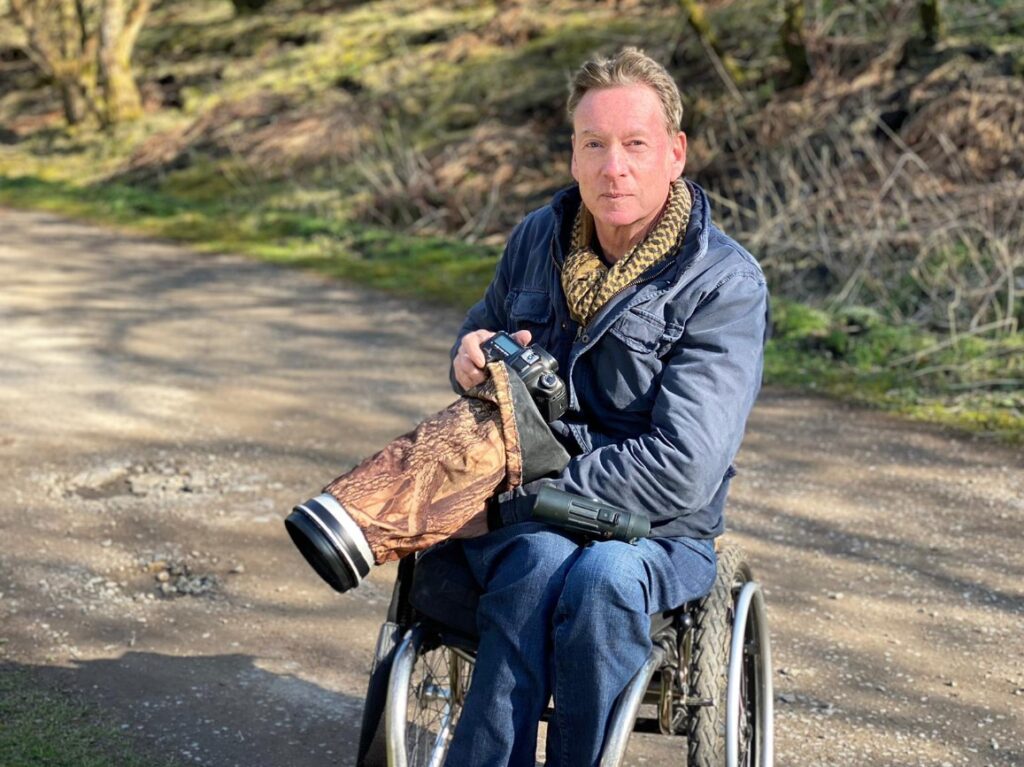
In June 2004, BBC Security Correspondent Frank Gardner was shot six times by Al-Qaeda gunmen while reporting in Riyadh, Saudi Arabia. He survived, but the attack left him partially paralysed and reliant on a wheelchair. Gardner has since become one of Britain’s most prominent voices on disability rights, particularly around accessibility in aviation and public spaces.
In November 2020, Gardner’s documentary Being Frank: The Frank Gardner Story aired on BBC Two. The film documented his life, his daily challenges as a wheelchair user, and the profound impact of his injuries on those around him. Elizabeth Rizzini appeared in the documentary in her capacity as his partner, offering emotional insight into their relationship and the realities of supporting someone living with a life-changing disability.
This appearance placed her name firmly alongside the subject of disability in the public consciousness. Media coverage of the documentary repeatedly linked Rizzini’s name to discussions of Frank’s condition. Readers scanning headlines or articles quickly absorbed an association between her and disability — even though that association pertained to her support role, not her own health.
Confusion With Other Presenters
A secondary source of confusion involves Lucy Martin, a BBC weather presenter who has spoken publicly about being born without her right forearm and hand. Martin is an inspiring advocate for disability visibility and inclusion in broadcasting. When people search broadly for disabled BBC weather presenters, the names of different colleagues can become conflated — particularly in poorly researched articles that fail to distinguish between individuals clearly.
Elizabeth Rizzini and Lucy Martin are entirely separate professionals with different personal stories. Only Lucy Martin has publicly identified as living with a disability.
What the Rumours Reveal About Media and Privacy
Elizabeth Rizzini’s situation is, in many ways, a case study in how digital media can distort the lives of public figures. She has never invited speculation about her health She has never implied that she has a disability. She has simply done her job — presenting weather forecasts with professionalism and scientific accuracy — while quietly supporting her partner through his own significant challenges.
Yet because she is on television, because she appeared in a documentary about disability, and because her partner is a public figure with a widely known health condition, a false narrative attached itself to her name. This happens to public figures more often than audiences realise, and it matters for several reasons.
First, false disability rumours can be harmful. They can overshadow a person’s professional achievements, reduce a complex individual to a single inaccurate label, and cause distress to the person involved and their families.
Second, they reflect a broader cultural tendency to conflate proximity with shared experience. Supporting a disabled partner does not make someone disabled. Appearing in a documentary about disability does not mean you have one. These seem like obvious distinctions, but the internet routinely collapses them.
Third, they highlight the importance of checking sources. If you’ve arrived at this article asking whether Elizabeth Rizzini has a disability, the responsible answer — the one grounded in evidence — is that she does not. Any article suggesting otherwise is either speculating without basis or recycling misinformation.
Elizabeth Rizzini’s Professional Legacy
What often gets lost in searches driven by rumour is just how impressive Elizabeth Rizzini’s career actually is. She is a Met Office-trained meteorologist with decades of broadcast experience. She has presented weather on some of the UK’s most-watched news programmes She brings genuine scientific credibility to a role that, on lesser-informed screens, can feel superficial.
Her ability to communicate effectively — to translate the language of atmospheric pressure, jet streams, and convective rainfall into something a viewer in Birmingham or Bristol can immediately understand — is a professional skill that takes years to develop. It is the product of both her technical training and her instinctive talent for human communication.
Beyond weather, she has shown an awareness of broader environmental issues, contributing to BBC content that connects daily forecasts to longer-term questions about climate patterns and sustainability. In an era when public understanding of climate science has never been more important, presenters like Rizzini play a genuinely significant civic role.
Her personal resilience — maintaining a stable, high-profile career while supporting a partner living with serious disability, raising children, and preserving her own privacy in a media landscape that rewards oversharing — deserves recognition of its own.
Final Word
Searching for “Elizabeth Rizzini disability” is understandable — the internet has made it seem as though the topic is significant. But the most helpful, honest answer is also the simplest one: there is nothing to the story. Elizabeth Rizzini is a healthy, working BBC presenter whose name became entangled with disability discourse through circumstance rather than fact.
What is worth your attention is her career. Her science. Her integrity in keeping her private life private. And, if you’re interested in a genuine disability story connected to the BBC, the extraordinary life of Frank Gardner — who has spoken with courage, humour, and unflinching honesty about what it means to live with paralysis — is well worth exploring.
